

AntiquitiesAntiquity

Kom el-Nugus (Plinthine)

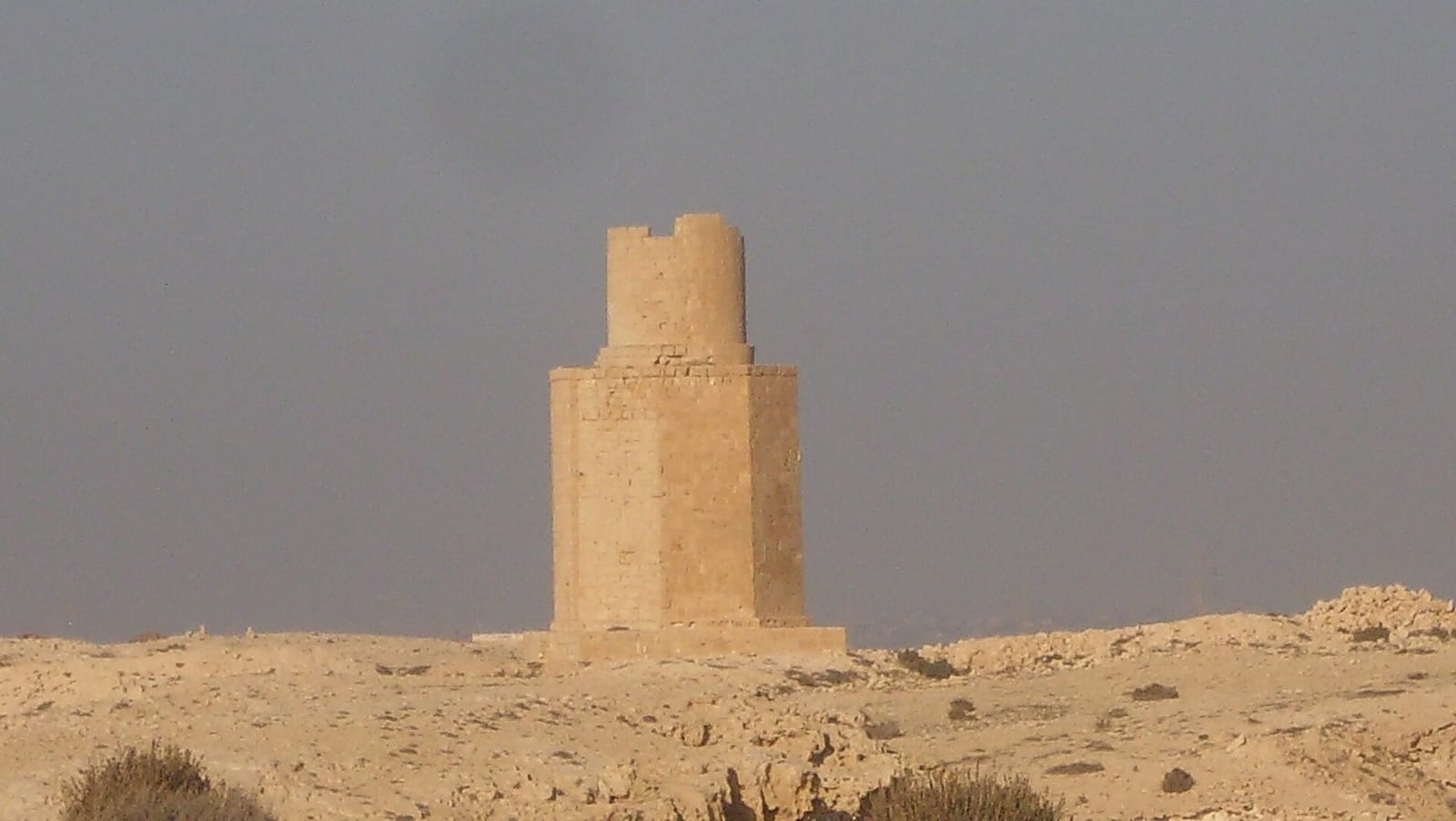
A horseshoe-shaped mound east of Taposiris, thought to be ancient Plinthine: lived in since the New Kingdom at least, and a place whose life was bound to its vineyards.

The story

What sets it apart

A horseshoe-shaped mound more than 11 metres high, whose people lived by the vine.

  • 1The horseshoe-shaped mound
  • 2King Seti II’s stela
  • 3The cartouches of Ramesses II and Necho II
  • 4The Ptolemaic wine estate

According to the French Institute of Oriental Archaeology, Taposiris Magna and Kom el-Nugus are only 2.2 km apart as the crow flies. The institute thinks the mound is ancient Plinthine, but says the identification “is still only a hypothesis”.

Read more

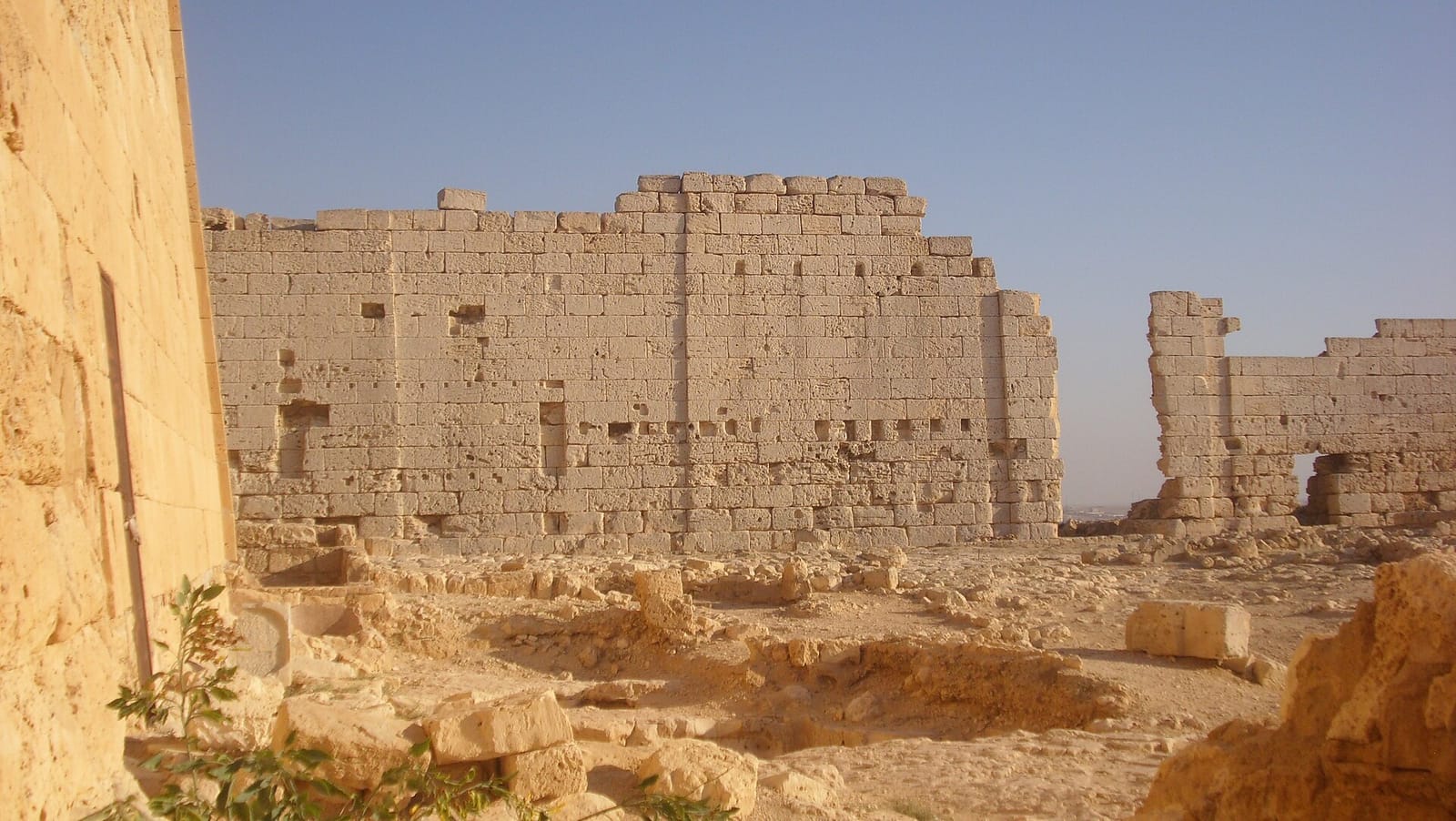
Plinthine was lived in from the beginning of the New Kingdom at least, flourished in the Saite-Persian period and then the Hellenistic era (331 to 30 BC), and faded away in the 1st century AD. The mound, an imposing horseshoe more than 11 metres high, has yielded a stela dedicated by King Seti II, blocks bearing the cartouche of Ramesses II, and a cartouche of King Necho II. It was a thriving settlement whose life was bound to its vineyards, and the institute lists among its work there a Ptolemaic wine estate with its press.
AntiquityThe New Kingdom – 7th century AD

Its place in time

  1. This landmarkKom el-Nugus (Plinthine)From the New Kingdom at least, faded away in the 1st century AD
  2. After itTemple of Osiris at Taposiris Magna3rd century BC; the standing walls 1st century BC

On the timeline of all the landmarks

Memories of the place

Every memory is taken from a published, documented source, named under it.

  1. The New Kingdom

    Plinthine was lived in from the beginning of the New Kingdom at least; a stela dedicated by Seti II and blocks bearing the cartouche of Ramesses II were found there.

    Source: French Institute of Oriental Archaeology (IFAO): Taposiris Magna and Plinthine

The other memories 4
  1. The Saite-Persian period

    The village flourished; a cartouche of King Necho II was found there.

    Source: French Institute of Oriental Archaeology (IFAO): Taposiris Magna and Plinthine

  2. 331 to 30 BC

    It flourished in the Hellenistic era; among its remains is a Ptolemaic wine estate with its press.

    Source: French Institute of Oriental Archaeology (IFAO): Taposiris Magna and Plinthine

The other memories2
  1. 1st century AD

  2. Its ancient nameSources differ on this date

    The institute says the identification of Kom el-Nugus as Plinthine “is still only a hypothesis”.

    Source: French Institute of Oriental Archaeology (IFAO): Taposiris Magna and Plinthine

Around it

  • This landmark
  • A landmark nearby: open it

Map: © OpenStreetMap contributors

Nearby landmarks

Distances are as the crow flies, and approximate.